
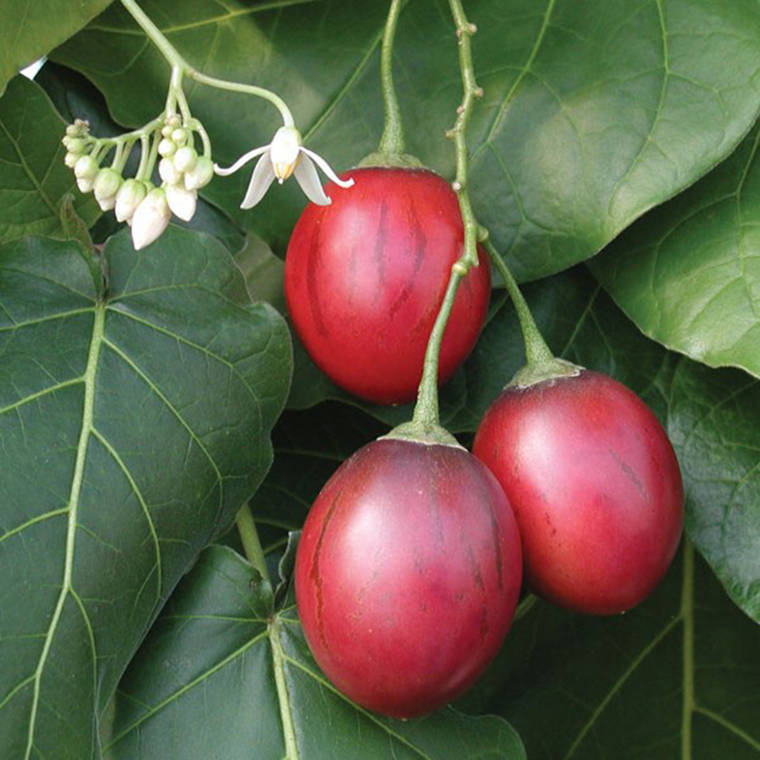
TREE TOMATO SEEDLINGS @ Ksh 100
The fruits are egg-shaped berries, 4–10 cm long, with skin colors ranging from deep purple, red, orange, or yellow, sometimes with stripes. It typically reaches 3–5 meters in height, has shallow roots, brittle wood, and yields clusters of 1–6 hanging. Propagation can be via seeds, cuttings, or grafted seedlings (often onto the robust “muthakwa” rootstock) for improved resilience, earlier fruiting, and longer lifespan.
Common cultivars include:
Red Oratia / Ruby Red – popular for fresh consumption
Goldmine / Solid Gold – golden-yellow fruit, ideal for preserves
Tamarillo Grande, Kiambu Ruby, Amber, Rothamer, Inca Red – valued for size, sweetness, and adaptability.

WASHINGTON NAVEL ORANGE SEEDLINGS @ Ksh 150
Washington Navel is a sweet, seedless orange variety distinguished by a small, secondary fruit at the blossom end.
Ideal growing conditions include altitudes of approximately 1,200–2,000 m, warm yet dry climates, and well-drained, fertile soils with a pH of around 5.5–6.0.
Major growing areas include Eastern, Central, and parts of the Rift Valley—specifically Machakos, Makueni, Kitui, Murang’a, Nyeri, and Nakuru
Grafted Washington Navel trees typically start fruiting in 2–3 years, compared to a longer wait for non-grafted trees.
Per tree yield ranges from 150 to 300 fruits per season, depending on age and management practices.

TANGERINE SEEDLINGS @ Ksh 150
Widely cultivated across multiple regions, key production areas include Makueni, Embu, Meru, Mombasa, Kilifi, Narok, Kisumu, and Kajiado. Overall, tangerines thrive from coastal lowlands to mid-altitude zones (up to about 2,000 m). Best suited for well-drained, loamy to sandy soils with a pH between 5.5–7.5. Grafted or budded seedlings are preferred over seeds for true-to-type and faster fruiting. Grafted tangerine trees bear fruit within 2–3 years. A well-managed tree can yield 270–300 fruits per season. Commercial orchards typically plant 200 seedlings per acre.

GUAVA SEEDLINGS @ Ksh 100
In Kenya, guavas frequently grow wild, with many households nurturing them. Around 84% of farmers report guavas grow naturally, while about 37% have actively planted them. The dominant variety is red-fleshed guava (97.6% of farms), followed by white-fleshed (49%) and a rare strawberry/cherry guava (0.2%). They flourish in tropical to semi-arid climates, tolerating 15–35 °C temperatures and rainfall between 1,000–2,000 mm. Guavas adapt well to well-drained loamy or sandy soils with a pH of 5.0–8.5. Mature grafted guava trees yield substantially and can fruit in 1–2 years; non-grafted trees take 4–6 years . Estimated yields range from 5–20 tonnes per acre, translating to revenue of KSh 250,000–3 million per acre, depending on the market—local (KSh 50–150/kg) or export (up to KSh 200/kg).

MACADAMIA SEEDLINGS @ Ksh 350
Kenya ranks as the third-largest producer of macadamia nuts globally, following South Africa and Australia. The industry is driven by over 200,000 smallholder farmers, with an annual output of approximately 10,000 metric tons in-shell, yielding around 4,000 metric tons of kernels. Grows best in well-drained, slightly acidic soils (pH ~5.5–6.5) at altitudes between 900–1,800 m, with moderate rainfall and temperatures around 17–25 °C. Key production regions include Embu, Meru, Murang’a, Kiambu, Kirinyaga, Tharaka Nithi and Nyeri—with growing interest in counties like Uasin Gishu, Machakos, Nandi, and Elgeyo Marakwet. Popular improved varieties include Murang’a 20 (MRG-20), Embu 1 & 2, Kirinyaga 15, and Kiambu 3—each chosen for traits like early maturity, high yield, oil content, and adaptability. Grafted seedlings begin fruiting in 2–4 years, while seed-grown trees may take 7–10 years. A well-managed tree can yield between 45–150 kg of nuts in-shell per year, depending on variety and care.

MINNEOLA ORANGE SEEDLINGS @ Ksh 300
Minneola oranges are a hybrid, specifically a tangelo, created by crossing a Duncan grapefruit with a Dancy tangerine. Particularly well-suited to dry parts of Kenya such as Makueni County, provided irrigation is available. A farmer in Makueni leverages river-sourced irrigation to cultivate Pixie and Minneola with high profitability. Fruiting begins relatively quickly within 6–12 months for grafted trees, and by year five, yields can reach 200–300 fruits per tree.

SOUR SOP SEEDLINGS @ Ksh 300
Soursop has found a niche in Kenya’s coastal, Eastern, Nyanza, and Lake Victoria Basin regions, where temperatures of 21–30°C and relatively stable weather conditions are ideal. It thrives at low to mid altitudes (0–1,200 m), requiring well-distributed rainfall or irrigation during dry spells. This adaptable fruit prefers well-drained, slightly acidic soils with a pH between 5.5 and 6.5. It can be propagated via seeds or grafted seedlings. Seed germination takes 20–30 days; trees begin fruiting in their third year, sometimes earlier if grafted. Recommended spacing is 5 m × 5 m, allowing roughly 160–400 trees per acre depending on layout. Trees produce 60–70 fruits per tree annually, each ripening around 2–5 days after the skin shifts from dark to lighter green.
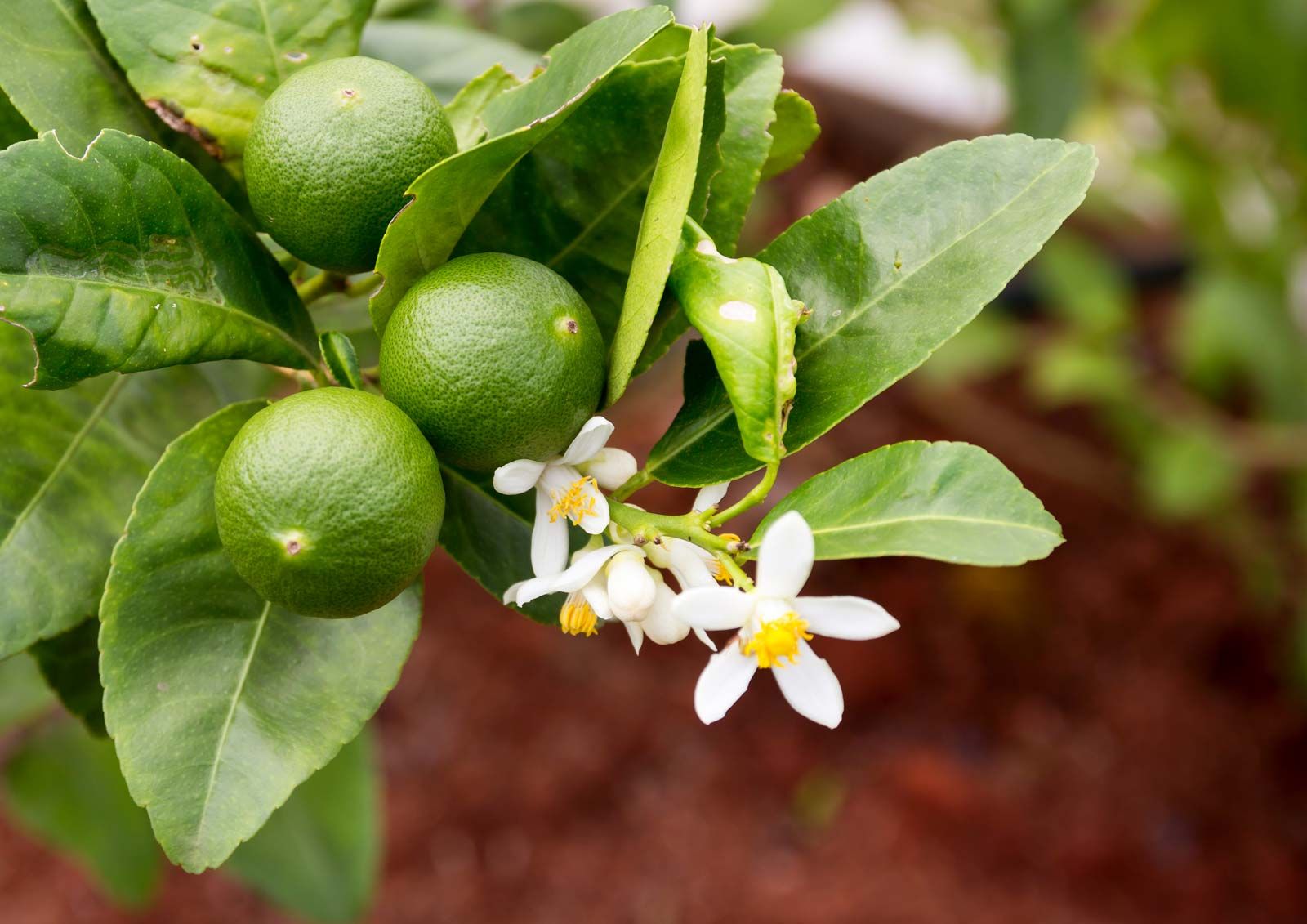
LIME FRUIT SEEDLINGS @ Ksh 150
Kenya’s diverse climate supports lime cultivation across many regions, including the Coast, Rift Valley, Eastern Province, and even marginal northern areas like Mandera, as well as central highlands such as Nyeri, Embu, and Murang’a.
Its ideal growing conditions include:
Well-drained loamy or alluvial soils with pH between 5.5 and 7.5 (though limes tolerate 4–9)
Moderate, evenly distributed rainfall (or reliable irrigation in drier zones)
Temperatures between 15 °C and 30 °C
Full sun exposure and protection from strong, drying winds. Grafted varieties typically begin bearing fruit in 2–3 years, while local seed-grown plants take 5–8 years. By the 4th–5th year, some varieties yield 40–60 fruits per tree; in full maturity around 8–10 years, production can exceed 700 fruits per tree per season.

POMEGRANATE SEEDLINGS @ Ksh 300
Thrives in warm, dry climates with temperatures ranging from 20 to 30°C (and up to 35–38 °C during flowering and ripening), pomegranates flourish in well-drained loamy to sandy soils with a pH between approximately 5.5 to 7.5. Farmers typically use stem cuttings for propagation to maintain quality and consistency. Trees are spaced about 3.5 m × 4 m, achieving densities of 500–600 per hectare (~200 per acre). Pomegranate trees begin fruiting 3–5 years after planting. Mature trees yield between 12–25 kg per tree initially, increasing over time. Per-acre or per-hectare yields can reach 9–11 tonnes under good management.

KIWI FRUIT SEEDLINGS @ Ksh 400
Currently, kiwi farming in Kenya is still in its early stages, with most fruit still imported from countries like Italy, India, and China. Best suited to Kenya’s highlands regions like Kiambu, Nyeri, Meru, Nyandarua, Eldoret, Kericho, Bomet, Nandi Hills, Kisii, and parts of Kakamega, where temperatures range between 10–25 °C and altitudes deliver cool nights. Prefers well-drained, fertile loamy soil with pH 5.0–6.5; raised beds are recommended in poorly drained sites. As a climbing vine, kiwi requires strong trellis systems such as pergolas or T-bar designs and proper spacing (typically about 3–6 m between vines) for optimal growth. Kiwi plants are dioecious, meaning separate male and female vines are needed, commonly one male for every 3–8 females with bees or direct pollination aiding fruit set.
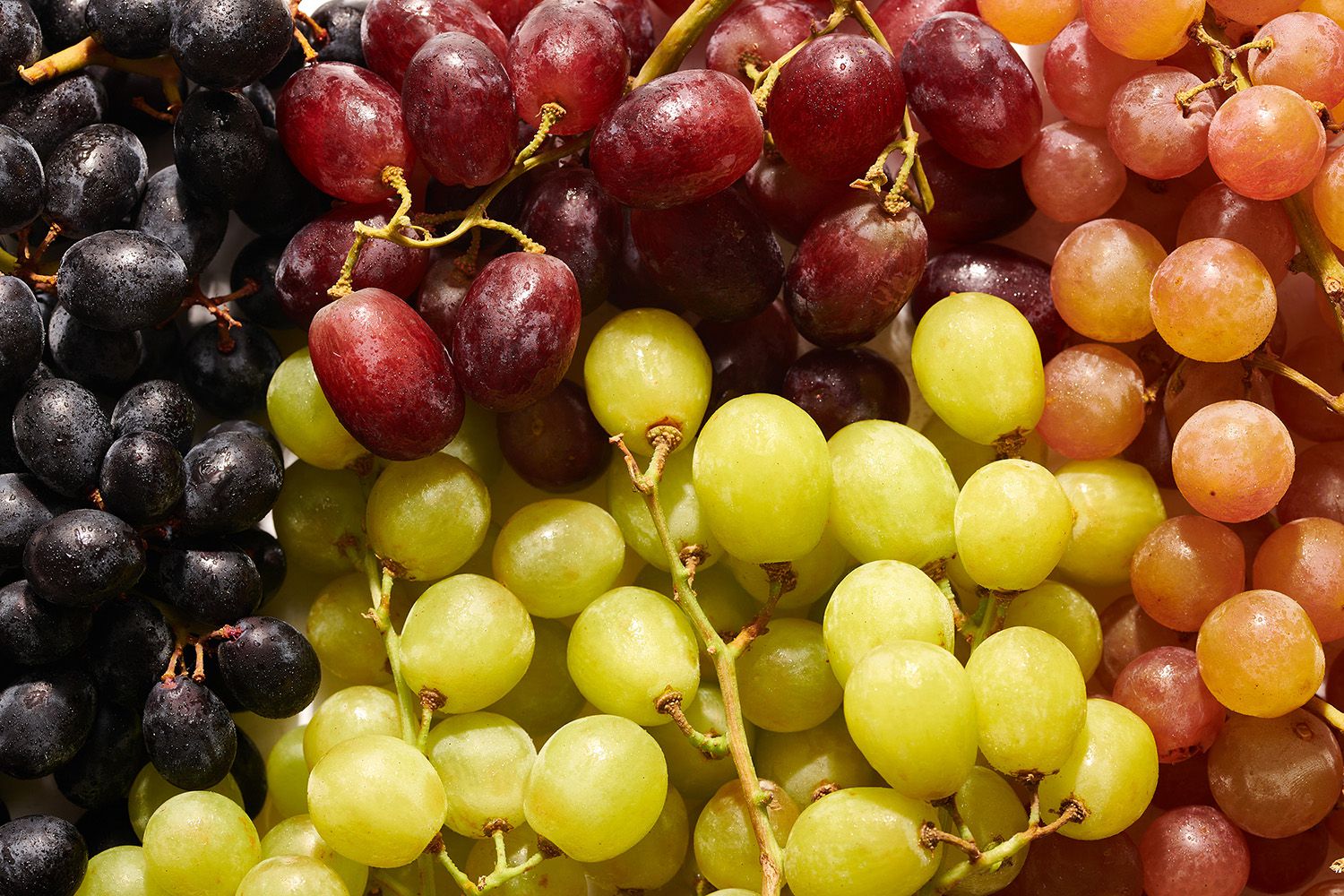
GRAPE SEEDLINGS @ Ksh 300
Kenya's diverse climate, ranging from coastal equatorial zones to temperate highlands, naturally supports viticulture. Grapevines thrive where there is ample sunlight, moderate warmth, and well-drained soils. Ideal temperature thresholds: growth initiates around 10°C, and vine activity peaks near 27°C. Grapes favor deep, fertile, well-drained soils (1–2 m deep). They do poorly in heavy, waterlogged clays or saline-prone soils. Effective grape farming requires trellising, regular pruning, canopy management, pest/disease monitoring (e.g., mildew, botrytis), bird control, irrigation systems, and labor-intensive upkeep. Kenya’s demand for fresh grapes far exceeds local supply; over 99% of table grapes are imported from South Africa and Egypt. As a result, imported grapes retail for KSh 500–800 per kilo, making them prohibitively expensive for many locals.

CUSTARD APPLE SEEDLINGS @ Ksh 100
The crop prefers slightly acidic to neutral soils and does well under moderate rainfall or with supplementary irrigation during dry seasons. It is typically grown from seedlings or grafted plants, with grafted varieties maturing faster and producing better yields. Trees begin fruiting in 2–4 years, producing round to heart-shaped fruits with creamy, sweet pulp that is highly valued for fresh consumption, juice making, and even medicinal uses.

DRAGON FRUIT SEEDLINGS @ Ksh 500
Dragon fruit farming in Kenya is an emerging agribusiness venture gaining popularity due to the fruit’s high market value, nutritional benefits, and increasing demand locally and internationally. It thrives well in warm tropical and subtropical climates, making parts of Kenya, such as the Eastern, Rift Valley, and Coastal regions, suitable for its cultivation. Dragon fruit is a climbing cactus plant that requires support structures (like posts or trellises) for optimal growth. It performs best in well-drained soils with adequate organic matter and can tolerate drought once established, though irrigation boosts yields in drier areas. Farmers typically propagate it using stem cuttings, which mature faster than seeds.
The plant starts bearing fruit within 1–2 years after planting and can remain productive for over 20 years with proper care. Harvesting is usually done several times a year since the plant flowers and fruits continuously in cycles.

APPLE SEEDLINGS @ Ksh 500
Anna apple farming in Kenya is mainly practiced in the cooler highland regions such as parts of Nyeri, Meru, Kiambu, and Elgeyo Marakwet, where the climate is favorable for temperate fruit production. The Anna apple variety is especially popular because it is a low-chill apple that adapts well to Kenya’s subtropical climate, unlike many other apple varieties that require long chilling hours.
The tree starts fruiting within 2–3 years after planting, and with proper care, it can be harvested twice a year. Anna apples are crisp, sweet-tart, and red-blushed, making them appealing for both fresh consumption and processing. Farmers intercrop apples with other crops during the early years to maximize land use.
Challenges include pests (like aphids, fruit flies, and codling moths), diseases (such as apple scab and powdery mildew), and the need for proper orchard management like pruning, irrigation, and fertilizer application to achieve good yields.
With rising demand for fresh fruits locally and limited production, Anna apple farming in Kenya presents a profitable agribusiness opportunity when managed well.

MULBERRY SEEDLINGS @ Ksh 200
Mulberry farming in Kenya is gradually gaining attention, mainly because of its dual-purpose value as both a fruit crop and a key raw material for sericulture (silk production). The mulberry tree (Morus alba and other varieties) thrives well in many parts of Kenya due to the country’s favorable tropical and subtropical climate.
Climatic requirements: Mulberries grow best in areas with moderate rainfall (600–2,000 mm annually) and well-drained soils. They can adapt to different altitudes, from lowlands to highlands, but perform particularly well in regions like Central Kenya, Rift Valley, and parts of Western Kenya.
Farming practices: The trees are usually propagated through cuttings, and once established, they require pruning to encourage leafy growth—important for silkworm rearing. Mulberries are hardy and relatively low-maintenance but benefit from organic manure and occasional irrigation in dry seasons.
Uses:
Silkworm rearing: Mulberry leaves are the sole food for silkworms, making them essential for the silk industry.
Fruit production: The berries are sweet, nutritious, and can be consumed fresh, dried, or processed into juice, jam, and wine.
Animal feed: Leaves and shoots are used as supplementary livestock fodder.
Environmental benefits: Mulberries help in soil conservation and agroforestry systems.
Economic potential: With growing interest in silk farming and value addition from fruits, mulberry cultivation presents a niche but promising agribusiness opportunity in Kenya.

TISSUE CULTURE BANANA @ Ksh 200
Tissue culture Banana farming involves propagating bananas through micropropagation, a lab-based technique where plant cells or tissues from a selected “mother plant” are grown under sterile conditions to produce genetically identical, disease-free plantlets (called plantlets). These are then hardened in nurseries before transplanting into fields. Ideal Climate: Best at 20–30 °C, altitudes up to 1,800 m, with 1,000–2,500 mm of well-distributed rainfall. Soil Requirements: Loamy, well-drained soils with pH 5.5–7.0 and good fertility. Planting Density: 450 plants per acre at 3×3 m spacing or up to 640 plants at 2.5×2.5 m for high-density.

PEAR SEEDLINGS @ Ksh 350
Pears grow best in cool highland areas with well-drained soils, making regions such as parts of Central Kenya (Nyeri, Murang’a, Kiambu), Rift Valley highlands, and Mount Kenya slopes suitable. The crop requires adequate rainfall or irrigation, especially during dry seasons, for good fruit development.
Common pear varieties grown include Asian pears and European pears, which thrive in Kenya’s high-altitude climate. Trees take a few years to mature before producing fruits, but once established, they can be highly productive.
The market for pears in Kenya is promising, with demand coming from urban supermarkets, hotels, and fresh produce exporters. However, production is still low compared to demand, creating opportunities for expansion. Challenges include limited planting material, lack of farmer awareness, and pests/diseases management.
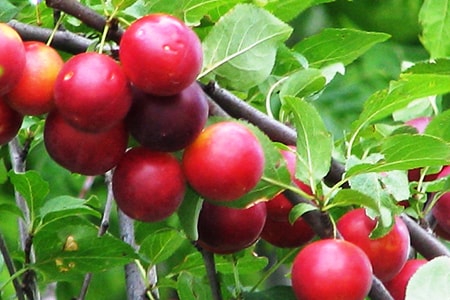
PLUM SEEDLINGS @ Ksh 350
Plum farming in Kenya is gradually gaining interest among fruit growers, though it is not yet as widespread as other fruits like mangoes, oranges, or avocados. Plums grow well in Kenya’s highland regions, where the climate is cool to moderate, with adequate rainfall and well-drained fertile soils. Areas such as parts of Central Kenya (Nyeri, Murang’a, and Kiambu), the Rift Valley highlands, and some parts of Western Kenya offer favorable conditions.
The main varieties cultivated include Japanese plums (Prunus salicina), which perform better in Kenya’s conditions compared to European plums. Plums require chilling hours for proper flowering and fruit set, so higher altitude regions (1,500–2,500 m above sea level) are more suitable.
Farmers usually plant plums as part of mixed orchards, and the trees begin bearing fruit in about 3–4 years, reaching peak production around 7–10 years. Proper management—pruning, pest and disease control (especially against aphids, fruit flies, and fungal infections), and irrigation during dry periods—is essential for good yields.
Market demand for plums in Kenya is increasing, especially in urban areas, due to their nutritional value (rich in vitamins, antioxidants, and dietary fiber). They are sold fresh in local markets and supermarkets and sometimes processed into juices, jams, or dried fruits. With rising consumer interest in diverse fruits, plum farming presents an emerging agribusiness opportunity for small- and medium-scale farmers.

PERSIMMON SEEDLINGS @ Ksh 500
Thrives in Kenya’s diverse climates—ranging from Central to Rift Valley, Western, and even parts of the Coast—thanks to their tolerance for warm, temperate conditions (20–35 °C) and varied soil types. Agricultural projections suggest persimmon farming can yield up to KSh 29 million per acre, making it a lucrative high-value crop. Choose well-drained sites such as slopes to prevent waterlogging; amend soil with compost or farmyard manure, and conduct pH testing — optimal range is 6.0–6.5. Grafted seedlings accelerate fruiting to 2–3 years vs. 3–5 for seed-grown trees. Recommended spacing: 4–6 m between rows, 3–4 m within rows — roughly 400–700 trees per acre.Plant at the start of the rainy seasons (March–May or October–November) for better root establishment; irrigation supports off-season planting.
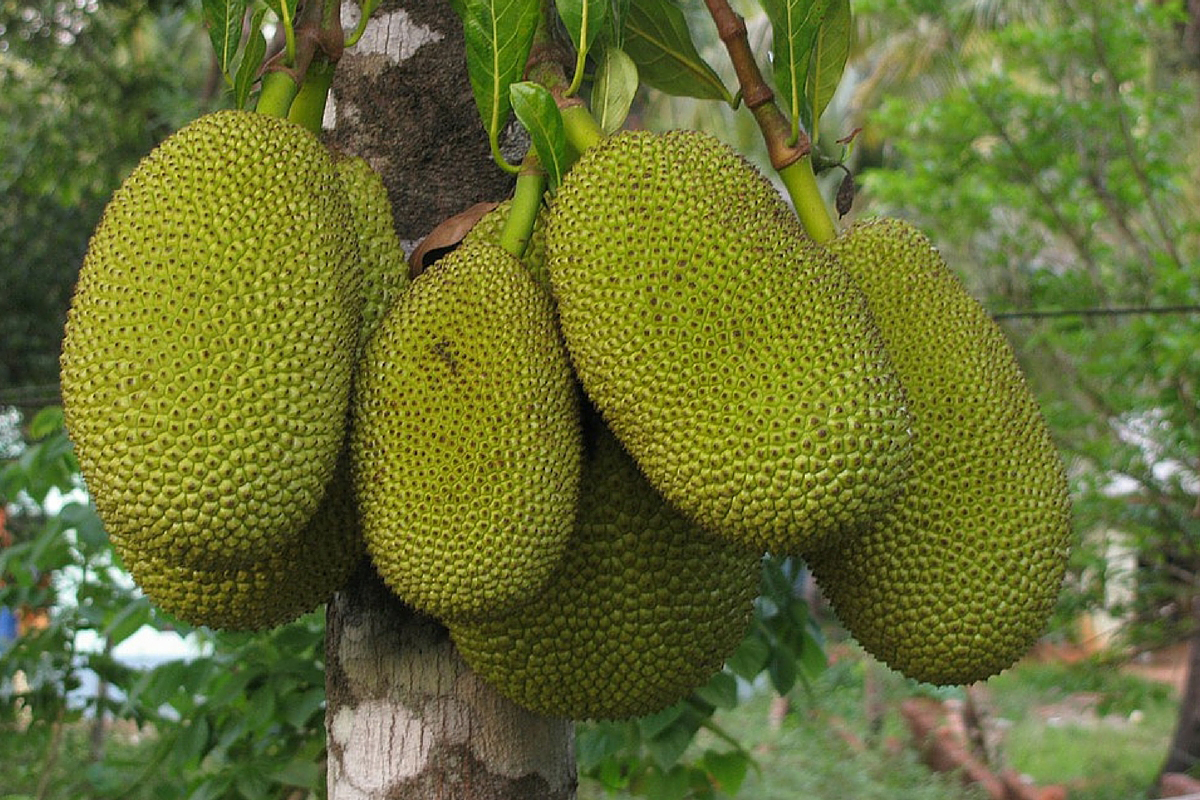
JACK FRUIT SEEDLINGS @ Ksh 500
Main growing areas: Western and coastal counties lead production, with Busia alone contributing around 50–65% of Kenya’s jackfruit output. Other notable regions include Kakamega, Bungoma, Vihiga, Siaya, Kisumu, Homa Bay, Kwale, Kilifi, Lamu, Taita Taveta, Murang’a, Kirinyaga, Tharaka Nithi, and Meru. Jackfruit thrives in tropical to warm climates (ideally 25–35 °C), well-drained deep soils (sandy loam to clay loam) with a slightly acidic to neutral pH (5.0–6.5). It tolerates short droughts but needs adequate moisture during flowering and fruiting. Grafted seedlings mature faster (3–5 years) and yield more compared to seed-grown trees (6–8 years). Space trees 7–10 m apart (≈40–70 trees/acre) to accommodate canopy size. Time to fruiting: Grafted trees bear fruit in about 3 years; seed-grown take up to 6–8 years. Mature trees can yield 100–200 fruits/year; some reports cite up to 300 fruits per tree in optimal conditions.

JABUTICABA SEEDLINGS @ Ksh 500
In Kenya, jabuticaba thrives in warm, humid areas with consistent moisture. Regions such as Nyanza, Western Kenya, parts of Central Kenya (e.g., Kiambu, Murang’a), and coastal areas like Kwale are especially suitable. Prefers 18–30 °C , with tolerance for brief mild frost if not prolonged. Likes well-drained, slightly acidic soil (pH 5.5–6.5) but can adapt to neutral soils; avoid alkaline or waterlogged conditions. Requires consistent moisture—regular irrigation or rainfall is essential. Once mature (5–8 years), yield is about 15–25 kg/tree, translating to 7,500–12,500 kg/ha. With local prices around KSh 2,300/kg (exports yield KSh 3,000–4,000/kg), potential annual revenue hits ~KSh 25m/ha. After annual operating costs (~KSh 250k), net profit may range between KSh 20m–24.25m/ha

PEACH SEEDLINGS @ Ksh 800
Peaches are emerging as a high-value crop in Kenya, with both local and export markets appreciating the fruit’s versatility—from fresh consumption to jams, juices, and desserts. Optimal temperatures during growing season: 20 – 30 °C, with fruit ripening around 24 °C.

MANGO SEEDLINGS @ Ksh 150
Mangoes do best in warm, dry areas with temperatures between 21–27°C. They require a distinct dry season for flowering and fruit development. Ideal in areas with 500–1000 mm annually, but irrigation can supplement low rainfall. Grows well from sea level up to about 1,200 m above sea level. Well-drained sandy loam soils with a pH of 5.5–7.5 are best. Popular Mango Varieties in Kenya
Apple Mango – Sweet, aromatic, and widely grown.
Ngowe – Traditional coastal variety, fibrous but tasty.
Kent – Juicy, less fibrous, highly preferred for export.
Tommy Atkins – Attractive red blush, long shelf life, popular in markets.
Van Dyke – Medium-sized, less fibrous, good for fresh markets.
Propagation: Mostly by grafting to ensure uniformity and early maturity.
Spacing: 8m x 8m or 10m x 10m depending on variety and management system.
Pruning: Helps maintain manageable tree size and improve airflow.
Pest/Disease Control: Mango seed weevil, fruit flies, anthracnose, and powdery mildew are common challenges. Integrated pest management (IPM) is key.
Irrigation: Important during dry spells, especially for young trees and during flowering/fruiting. Maturity: Mangoes are ready for harvest 3–4 months after flowering, depending on the variety.
Harvesting: Done when fruits start to change color and detach easily.
Market: Local consumption, processing (juice, puree, dried mango), and export (Middle East, Europe). Mango is a key cash crop for many smallholder farmers in Kenya, especially in regions like Makueni, Machakos, Kitui, Meru, Embu, Kilifi, Kwale, and Taita Taveta.
It contributes significantly to income, food security, and agro-processing opportunities.

LOQUAT SEEDLINGS @ Ksh 200
Loquats thrive in highland and mid-altitude regions with:
Altitude: 1,500–2,500m above sea level
Climate: Subtropical to temperate, with moderate rainfall
Soil: Well-drained, fertile loamy soils with pH 5.5–6.5
Regions: Central Kenya (Murang’a, Kiambu, Nyeri), Rift Valley highlands, and parts of Western Kenya.
Propagation: Usually by seeds or grafting for better fruit quality. Grafted varieties bear earlier and give uniform fruits.
Spacing: About 6–8 meters between trees.
Watering: Requires consistent moisture, especially during flowering and fruiting.
Fertilization: Manure plus NPK fertilizers improve yield.
Pruning: Helps manage tree shape, increase sunlight penetration, and improve fruit size.
Trees start bearing fruits 3–4 years after planting (earlier with grafted seedlings).
Harvest season in Kenya is usually March–June depending on region.
A mature tree can yield 40–100 kg of fruits per season.

YELLOW PASSION SEEDLINGS @ Ksh 50
Thrives in warm, tropical to subtropical climates. Optimal temperatures range between 25–30 °C and it performs well at 1,000 to 2,000 m above sea level. Requires moderate, well-distributed rainfall from 900 to 2,000 mm/year. Overly wet conditions can lead to disease and poor fruit set. Prefers deep, well-drained, fertile soils rich in organic matter with a pH of 5.5 to 7.0. Grafted seedlings—often yellow as rootstock with purple scion—are recommended due to their disease resistance and earlier maturation. Commonly spaced at 3 m x 2 m, requiring planting holes approximately 45 cm x 45 cm and 1.5 ft deep, often enriched with manure. Being a vine, yellow passion requires sturdy trellises—often posts 2.7 m high with wires spacing rows about 6 m apart. Vines typically start producing fruit 7–11 months after transplanting; in some setups, flowering may begin within weeks, and fruits ripen in ~2 months. Per vine: ~1,500 fruits (~50 kg); at KSh 50/kg, this equates to ~KSh 2,500 per vine annually. Per acre: With 300 vines, yields can reach 15,000 kg, generating up to KSh 750,000 annually. Yellow passion yields can hit 30–40 tonnes per hectare, compared to purple at about 15 tonnes per hectare.

PURPLE PASSSION SEEDLINGS @ Ksh 70
Altitude: Ideally grown in the upper midland to highland zones—1,200–1,800m east of the Rift Valley and up to 2,000m west.
Temperature: Optimal for purple varieties is 18 °C to 25 °C.
Rainfall: Needs 900–2,000 mm annually, well distributed; excess rainfall hampers fruit set and increases disease risk.
Soil: Deep, fertile, well-drained loam rich in organic matter with pH 5.5–6.5 (some sources say up to 7.0)
Purple passion fruit thrives in areas like Nyamira, Nyeri, Kisii, Thika, Kakamega, Murang’a, Kiambu, Embu, Meru, Nakuru, Bungoma, Uasin Gishu, and Trans Nzoia.
Grafting: Recommended—grafting purple varieties onto yellow passion rootstock boosts disease resistance (especially against fusarium wilt), yields, and lifespan.
Seedlings & Holes: Prepare planting holes (45–60 cm wide and deep) 2–3 months ahead, separating topsoil and subsoil.
Spacing: 2 m between rows and 3 m within rows (or vice versa), allowing 300–1,000 plants per acre depending on spacing.
Trellising: Essential. Use sturdy posts (2.7–2.8 m high) set ~6 m apart, with 2–4 horizontal wires ~60 cm apart to support vine growth.

HASS AVOCADO SEEDLINGS @ Ksh 150
Thrives in Kenya's highlands at altitudes between 1,000–2,200 m—especially in regions like Kiambu, Murang’a, Nyeri, and parts of Rift Valley and Western Kenya. Optimal growth at 20–24 °C, with annual rainfall in the range of 1,000–1,600 mm, well distributed throughout the year. Prefers deep, well-drained sandy or alluvial loamy soil, with a pH between 5.5 and 6.5. Grafted seedlings are preferred for early fruiting (2–3 years) and better yields, compared to seed-grown trees (5–7 years). Plant at the onset of rains (March–May or October–November) using planting holes enriched with compost and fertilizer. Recommended spacing ranges from 3×4 m (densely planted, ~330 trees/acre) to 5×5 m (more standard, ~100–120 trees/acre). Yield: Mature trees typically yield 70–150 kg annually under good management.

PIXIE ORANGE SEEDLINGS @ Ksh 250
Thrives in arid to semi-arid regions.
Best in warm temperatures between 10 °C and 30 °C, with sensitivity to extremes (above 38 °C can cause fruit drop). Require 6–8 hours of sunshine daily. Grows well up to altitudes of 2,100 m above sea level. Prefers deep, fertile, well-drained sandy-loamy soils with a pH of 6.5–7.3. Only grafting is used in Kenya—typically bud grafting onto lemon rootstocks—to produce seedless, productive trees that mature more quickly. Standard spacing: 4 m between trees and 5 m between rows, yielding about 200 trees per acre. Grafted trees begin flowering and bearing fruit in 2–3 years, hitting heavy yields by 4–5 years. Early (Year 2): ~30–50 fruits per tree.
Mature (Years 3–5): Up to 300 fruits per tree (~60 kg). In later years (by Year 7+): Up to 500–600 fruits per tree per annum

VARIEGATED LEMON SEEDLINGS @ Ksh 300
Thrives in sunlit areas with well-drained, slightly acidic soil (pH 6.0–6.5), average rainfall ≥1000 mm, and temperatures between 20 °C–30 °C. Suitable regions include Coastal (e.g., Kilifi), Eastern (e.g., Machakos, Kitui), and Rift Valley (e.g., Nakuru). Grafting is strongly recommended—it ensures disease resistance and fruits within 2–3 years. Plant during the onset of rains (March–May or October–December). Starts bearing in 2–3 years and can yield significantly:
Around 50–100 fruits/tree by Year 2; 300–500 fruits/tree by Year 4+.

FUERTE AVOCADO SEEDLINGS @ Ksh 150
Fuerte avocado is known for its pear-shaped form, thin smooth green skin (which stays green even when ripe), creamy pale green flesh, and rich, nutty flavor. It typically weighs between 140g to 450g, with oil content ranging from 16% to 26%. Altitude & Climate: Thrives at elevations between 1,000–1,800 m above sea level, with optimal temperatures likely ranging from 20–25 °C. Soil & Rainfall: Prefers well-drained loam or sandy loam soils, slightly acidic to neutral (pH 5–7), and annual rainfall between 1,000–1,500 mm. Spacing: Trees are typically spaced about 5×5 m, equating to approximately 150 trees per acre—though some sources suggest 8×10 m spacing as well. Time to Fruiting: Trees begin producing fruit between 3–5 years after planting. Yields: Mature trees can yield 500–1,000 fruits each. At a density of 150 trees per acre, that translates to 75,000–150,000 fruits per acre annually. Harvest Season: Fuerte offers an early window—from around January/February extending to July—complementing the later Hass season. This fragmented harvesting spreads income and supply opportunities.